
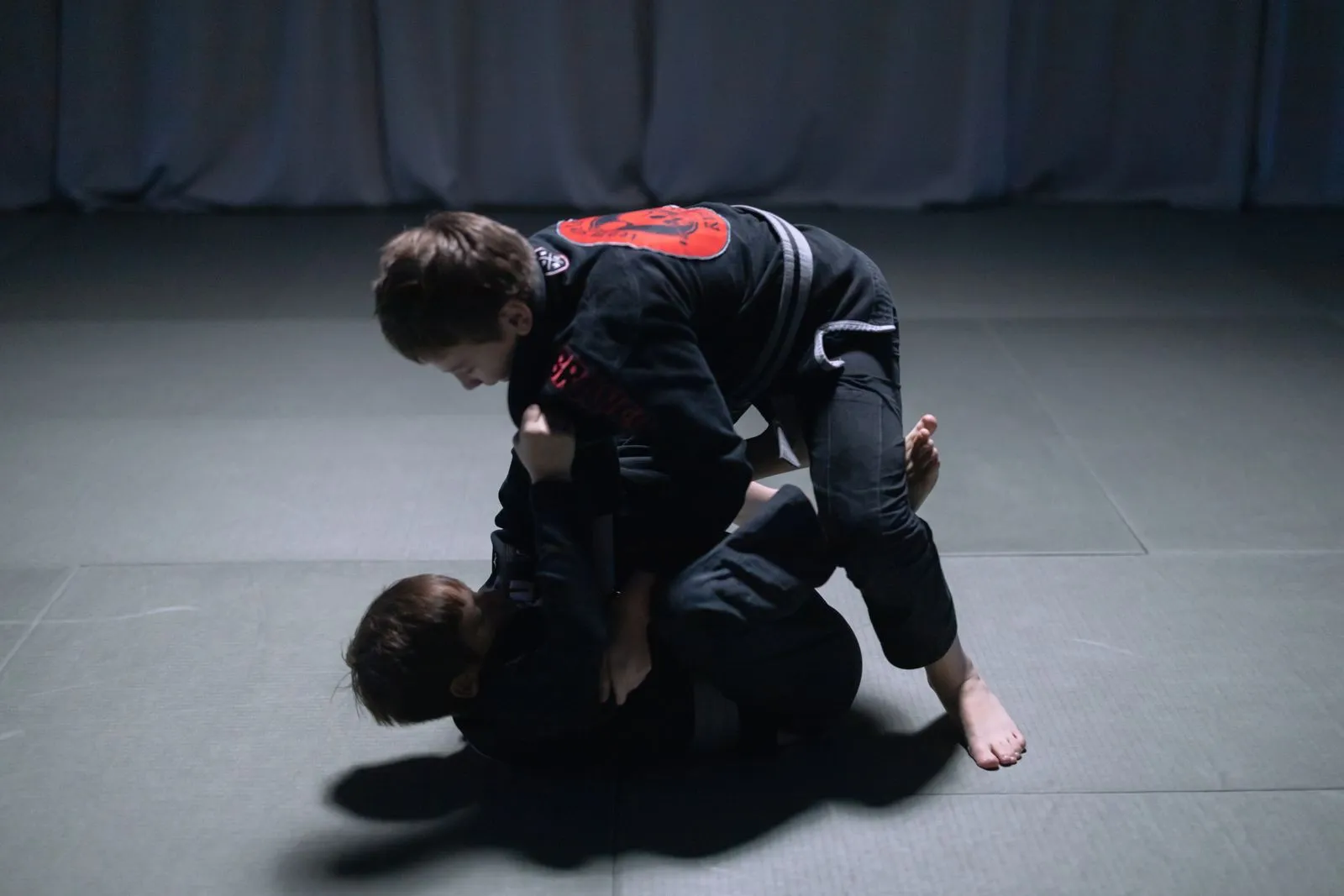
Jiu-jitsu skills develop through repeated practice, not a single class or quick burst of effort. Each session gives you another chance to work through positions, recognize familiar situations, and make small adjustments. Over time, those repetitions can turn unfamiliar movements into more natural responses. A steady routine also helps you notice progress that may be hard to see day by day. Whether you are new to the mats or returning after a break, consistency gives your training direction.
Technique Takes Repetition
A technique can feel complicated the first few times you try it. You may need to remember where to place your hands, how to shift your weight, and when to move. Returning to the same skill across multiple classes gives you time to connect those steps. Ask your instructor to clarify one detail at a time, then practice that detail with a partner at a controlled pace.
Regular classes also help you revisit techniques in different situations. A guard pass, escape, or control position may feel different depending on your partner’s size, posture, and movement. Repeated exposure teaches you to adjust rather than expect every attempt to look identical. Focus on sound mechanics and useful feedback instead of trying to make every move work immediately.
Movement Becomes More Natural
Jiu-jitsu asks you to coordinate your hips, hands, legs, and balance while responding to another person. At first, transitions between positions can feel awkward. Consistent drilling gives your body more opportunities to practice those transitions, including how to frame, turn, bridge, and recover your position. Move with control, and give yourself enough time to understand what each action is meant to accomplish.
Better movement is not only about speed or flexibility. It also means using less effort when a more efficient position or angle is available. As you train, notice when you can create space, maintain balance, or change direction without straining. These observations make practice more purposeful and can help you conserve energy during longer rounds.
Confidence Grows Through Experience
Confidence on the mats comes from knowing what to try when a position becomes challenging. Regular practice lets you experience common situations in a structured setting, learn responses, and test them with partners. You may still feel pressure or uncertainty, but familiarity can make it easier to pause, breathe, and choose a next step instead of reacting without a plan.
Progress does not always mean winning a round or learning a new submission. It can mean recognizing a position sooner, escaping more calmly, or remembering to use a technique under pressure. Keep track of one or two small goals for each class. Reviewing those goals afterward can show you where your training is helping and what to ask about next.
Build a Routine You Can Maintain
A useful training schedule is one you can follow consistently. Choose class days that fit your work, family, and recovery needs, then treat them as regular commitments. If you miss a session, return to your routine rather than trying to make up for it with an exhausting week. Tell your instructor if you are managing an injury or returning after time away so you can approach practice appropriately.
Make each class count by arriving ready to learn, listening closely, and choosing a specific focus. You might work on posture, escapes, or staying balanced during transitions. After class, note one thing that improved and one question to revisit. At Desert Roll Jiu-Jitsu, students can ask instructors for guidance on building a practical training routine.
Consistent jiu-jitsu practice gives technique, movement, and confidence time to develop together. Choose a realistic schedule, focus on one detail at a time, and measure progress through small improvements rather than instant results. When you are ready to build a steady routine, reach out to Desert Roll Jiu-Jitsu to ask about getting started.